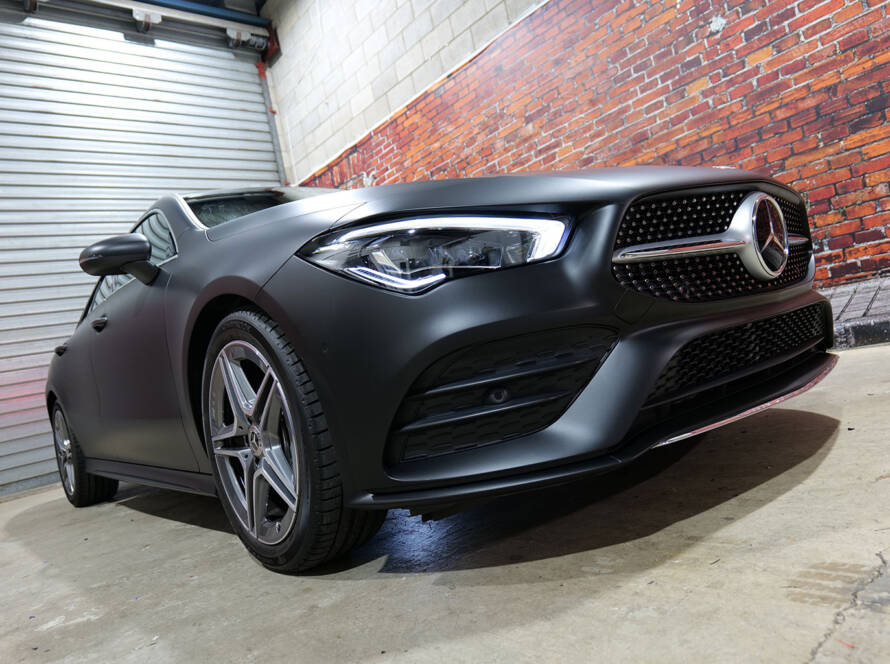
Thinking about transforming your vehicle’s look without a permanent paint job? You’ve come to the right place. A vehicle wrap is an amazing way to customize your ride, protect your paint, and even advertise your business. But before you dive in, it helps to know the ins and outs like a true car wrap pro. This guide covers everything from the pros and cons to maintenance and removal, giving you the confidence to make the right choice for your car.
Car Wrap Pros and Cons Explained
A car wrap is a high quality vinyl film applied directly over your vehicle’s original paint. It’s not paint, but it looks just as good, if not better, thanks to a massive range of colors and finishes. Like any modification, it has its upsides and downsides.
A major pro is reversible customization. You can get a wild new color or a custom graphic design, and it can all be removed later without damaging the factory paint. Installation is also surprisingly quick. A full wrap often takes just a day or two, compared to a week or more for a quality respray. Plus, the wrap provides a layer of protection against light scratches and UV rays.
On the flip side, wraps have a finite lifespan and require specific care. They won’t magically hide existing paint defects like rust, chips, or deep scratches. In fact, any surface imperfections can show through the film, a process sometimes called telegraphing. This is why starting with a good surface is key for any car wrap pro.
Is a Vinyl Wrap the Same as Paint Protection Film (PPF)?
This is a common question, and the answer is no. While a vinyl wrap offers some light protection, it’s designed primarily for aesthetics. Paint Protection Film (PPF) is a different beast altogether.
PPF is a thick, transparent polyurethane film engineered specifically to absorb impacts and protect your paint from rock chips, scratches, and stains. Think of it as a clear shield for your car. For instance, 3M Scotchgard PPF Pro Series is about 8 mils thick, which is several times thicker than a typical color change wrap. Many modern PPFs also have self healing properties, where light scratches disappear with a bit of heat. A car wrap pro knows the difference and can guide you.
For the ultimate combination of style and defense, you can even apply PPF over a color change wrap in high impact areas like the front bumper and hood. If you’re weighing your options, read our PPF vs ceramic coating guide and the certified team at OmegaGFX can help you decide what’s best for your vehicle.
Vinyl Wrap Maintenance 101
Proper care is essential to keep your wrap looking fresh and extend its life. Here’s how to maintain your car wrap. It’s not difficult, but it is different from caring for paint.
- Initial Waiting Period: After installation, wait at least 72 hours before the first wash. This gives the adhesive time to fully cure.
- Washing Method: Hand washing is always the best choice. If you must use an automated car wash, make sure it’s a touchless one.
- Contaminant Removal: Deal with bug splatter, bird droppings, and tree sap as soon as possible. Use warm, soapy water and a soft microfiber cloth.
- Storage: Whenever possible, park your car in a garage or under cover. Reducing UV exposure is the single best thing you can do to prolong the wrap’s life.
The Lowdown on Vinyl Wrap Removal
One of the biggest advantages of a wrap is that it’s not permanent. When it’s time for a change or you’re ready to sell your car, a quality film can be removed cleanly. Professional installers use controlled heat to soften the adhesive, allowing the film to be peeled off without damaging sound OEM paint.
Attempting a DIY removal can be risky. Without the right tools and technique, you could leave behind a lot of adhesive residue or, in a worst case scenario, damage your car’s clear coat. Professional removal is a worthwhile investment to protect your paint. Get in touch to book expert removal. The cost can vary, but it’s a small price to pay for peace of mind.
Exploring Your Vinyl Wrap Options and Finishes
Here’s where the fun begins. The world of vinyl wraps is incredibly diverse, with hundreds of colors and textures to choose from. Whether you want a sleek, subtle change or a bold statement, there’s a finish for you.
Leading brands like 3M and Avery Dennison offer an enormous palette. For example, the 3M 2080 Wrap Film Series includes nearly 100 options. Finishes include:
- Gloss and High Gloss
- Satin
- Matte
- Brushed Metal
- Carbon Fiber
- Color Flip (chameleon)
Many gloss films also come with a protective cap sheet that stays on during installation to prevent scratches and is removed at the end, ensuring a flawless finish. To see the possibilities, it’s best to look at samples. A car wrap pro can show you the full range. Why not explore the different finishes and find your perfect match?
Vehicle Wrap Advertising: Your Billboard on Wheels
Wraps aren’t just for personal customization. They are one of the most cost effective forms of advertising available. Turning a company car or an entire fleet into mobile billboards generates massive brand awareness.
Studies have shown that vehicle advertising can generate between 30,000 to 70,000 impressions daily. The cost per thousand impressions (CPM) is also significantly lower than many forms of digital advertising. It’s a marketing tool that works for you 24/7, whether you’re driving on the highway or parked at a job site.
If you’re a business owner, consider what a professionally designed wrap could do for your brand. OmegaGFX specializes in commercial and fleet branding to get your business noticed.
Not All Vinyl is Created Equal: Film Quality Matters
The final result of any wrap job depends heavily on the quality of the materials. A car wrap pro will always use premium films from trusted manufacturers. There are two main types of vinyl film: cast and calendered.
Cast films are the premium choice for vehicle wraps. They are thinner, more durable, and conform beautifully to complex curves without shrinking. Calendered films are thicker and less flexible, making them suitable for flat surfaces and short term applications, but not for a full vehicle wrap.
Adhesive technology is also crucial. Features like 3M’s Controltac and Comply technologies allow installers to slide and reposition the film for perfect alignment and provide invisible air release channels for a bubble free finish.
Understanding Your Wrap’s Lifespan
How long will your wrap last? The answer depends on several factors. With proper care, a premium wrap can last for many years. However, the warranty often varies based on the angle of exposure.
Horizontal surfaces like the hood, roof, and trunk lid get hit with the most direct sunlight and environmental fallout. Because of this, they have a shorter expected lifespan. For instance, 3M’s 2080 series films are warranted for up to 8 years on vertical surfaces but up to 3 years on horizontal ones. Climate also plays a huge role, with warranties often adjusted for harsh environments like deserts.
A Note on Surface Imperfections
A vinyl wrap is a thin, conforming film. It is not a magical fix for poor paint. Any underlying issues like rock chips, deep scratches, rust, or poorly done bodywork will be visible through the wrap. A high gloss film will even show the texture of factory “orange peel” in the paint.
For the best possible result, the vehicle’s surface should be in good condition before the wrap is applied. A professional installer will always inspect the vehicle first and set clear expectations.
What Happens if Your Wrap Gets Damaged?
Accidents happen. A fender bender or a deep scratch doesn’t necessarily mean you have to rewrap the entire car. One of the practical benefits of a wrap is its repairability. An experienced car wrap pro can remove the film from the damaged panel and install a new piece to match.
Keeping the original design files and knowing the exact film used is important for a seamless repair. Over time, there might be a slight color difference between a new panel and the older, weathered sections, but it’s often a much better solution than rewrapping the whole vehicle.
Frequently Asked Questions from a Car Wrap Pro
A full vehicle wrap typically takes about one to two days. Most professional installers prefer to keep the vehicle for an extra day to ensure the adhesive sets properly and to perform a final quality check.
When installed on a vehicle with sound, factory OEM paint, a high quality wrap should not cause any damage upon removal within its warranty period. It’s riskier on repainted surfaces or older, fragile paint.
It’s not recommended, but if you must, use extreme caution. Keep the pressure below 1,200 psi, the water temperature below 60°C, and use a wide fan tip from a safe distance, avoiding the edges of the film.
A standard color change vinyl wrap offers very light protection against minor scuffs but is not designed to stop rock chips. For robust impact protection, you need Paint Protection Film (PPF).
A car wrap pro has the training, tools, and experience to prepare the surface correctly, handle the film without overstretching or causing blemishes, and ensure clean seams and tucked edges for a durable, paint like finish. Explore our professional wrap services. Certified installers, like the 3M Preferred and Hexis certified team at OmegaGFX, are your best bet for a flawless outcome.
📞 Call: +61 466 933 300
🌐 Visit: omegagfx.com