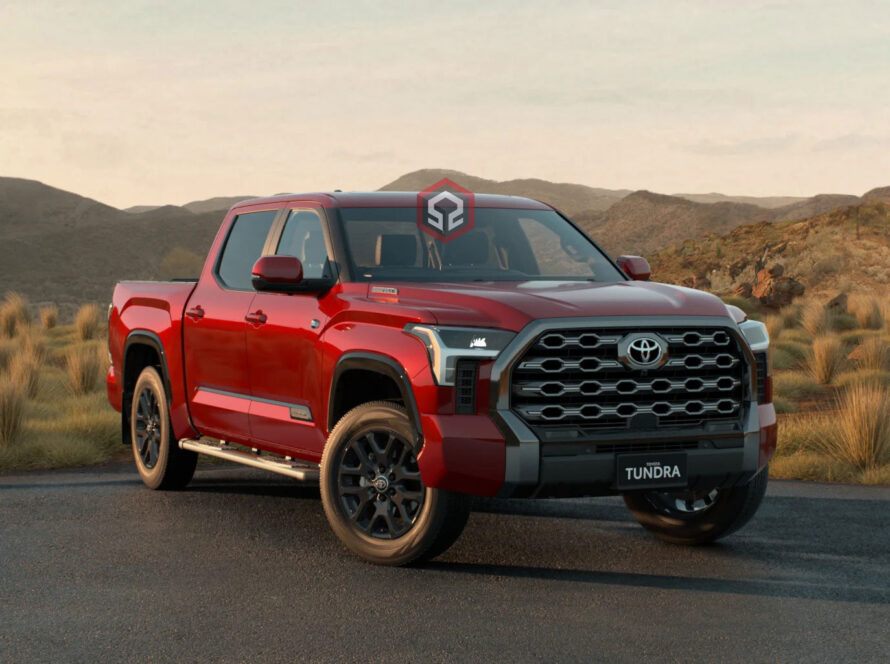
Nothing beats the look of a car with a perfect, glossy finish. But keeping it that way, especially under the intense Gold Coast sun, is a real challenge. Daily driving exposes your vehicle to a barrage of threats like UV rays, bird droppings, road debris, and pollution. Without a defense, your paint’s vibrant shine can quickly fade, chip, and degrade.
This is where car paint protection comes in. It’s not just an expense for detailing enthusiasts; it’s a crucial investment in preserving your vehicle’s appearance and value. This guide will walk you through everything you need to know, from the different types of protection to how to choose the right one for your car, budget, and lifestyle.
Why Your Car Needs Paint Protection
Leaving your paint unprotected is risky. The factory clear coat is tough, but it’s not invincible. UV radiation can cause oxidation, making your paint look chalky and faded. Bird droppings, which are highly acidic, can etch into the finish in just a few hours. Road debris causes chips and scratches that can lead to rust. Proper car paint protection creates a sacrificial barrier, taking the damage so your paint doesn’t have to.
This is especially true for new vehicles. Applying a quality sealant, ceramic coating, or Paint Protection Film (PPF) from day one preserves that showroom shine and can significantly boost your car’s resale value down the road. After all, a car with a pristine finish is always more appealing to potential buyers.
The Main Types of Car Paint Protection
You have several options when it comes to shielding your vehicle’s paint, each with its own pros and cons.
Car Wax
Car wax is the classic, go-to solution for shine and protection. Usually made from natural carnauba wax or synthetic polymers, it creates a thin, sacrificial layer on your paint. This layer enhances gloss, makes water bead up, and provides basic protection against contaminants.
- Pros: Affordable, easy to apply for beginners, and provides a deep, warm glow that many people love.
- Cons: It’s the shortest lived option, typically lasting only one to two months before needing reapplication.
Paint Sealant
A paint sealant is a synthetic polymer that chemically bonds to your car’s clear coat. Think of it as a step up from traditional wax. This bond creates a more durable and longer lasting barrier.
- Pros: Offers significantly better durability than wax, usually lasting four to six months. It provides excellent UV protection and a slick, reflective shine.
- Cons: Some enthusiasts feel it lacks the warm visual depth of a natural carnauba wax.
Ceramic Coating
Ceramic coatings are a leap forward in car paint protection technology. This liquid polymer, often based on silica (SiO₂), bonds with your paint to form a semi-permanent, glass-like layer of protection. This layer is harder than your factory clear coat, offering fantastic resistance to chemicals and UV rays.
- Pros: Incredible durability, with protection lasting for years, not months. It creates an extremely hydrophobic surface that repels water and dirt, making the car much easier to clean.
- Cons: Application is complex and requires a perfectly prepared surface, meaning it’s often best left to professionals. The upfront cost is also higher than waxes or sealants.
Paint Protection Film (PPF)
Paint Protection Film (PPF) is the ultimate defense against physical damage. It’s a transparent, tough urethane film that acts like an invisible shield for your paint. Originally developed for military use, PPF is the best solution for preventing rock chips, scratches, and scuffs. For a real‑world example, see our Land Rover Defender satin PPF project.
- Pros: Unmatched protection against physical impacts. High quality films have self healing properties, where minor scratches disappear with heat. A professional installation can last for five to ten years.
- Cons: PPF is the most expensive car paint protection option. Installation is a highly skilled job that should only be done by certified professionals. For a flawless finish from an installer with credentials from top brands like Hexis and 3M, consider a specialist. Get in touch with Omega Graphix.
Hybrid Coatings
Hybrid coatings, often marketed as “ceramic waxes” or sprays, blend user friendly application with modern technology. They combine traditional sealant polymers with ceramic (silica) particles to offer better performance than a simple wax.
- Pros: Very easy to apply (often just spray on and rinse off), affordable, and deliver excellent water beading and gloss for several months.
- Cons: They don’t offer the same long term durability or hardness as a true ceramic coating.
Comparing Your Car Paint Protection Options
Choosing the right product can feel overwhelming. Let’s break down how these options stack up against each other.
Durability and Longevity
- Wax: Least durable, lasting 1 to 2 months.
- Sealant: Good durability, lasting 4 to 6 months.
- Hybrid Coating: Moderate durability, typically 3 to 6 months.
- Ceramic Coating: Excellent long term durability, lasting 2 to 5 years or more.
- PPF: The longest lifespan, often lasting 5 to 10 years before replacement is needed.
Protection Effectiveness
- Wax & Sealants: Good against UV rays and chemical contaminants like bird droppings, but offer no real protection from scratches or rock chips.
- Ceramic Coatings: Excellent at resisting chemicals, UV rays, and minor wash induced scratches. However, a ceramic coating is too thin to stop a rock chip.
- PPF: The champion of physical protection. It can absorb the impact from rocks and prevent scratches from reaching your paint. One analysis found PPF can prevent 95% of damage from road debris.
Cost Comparison
- Wax & Sealants: The most budget friendly options, typically costing $20 to $50 for a DIY product that lasts for multiple applications.
- Hybrid Coatings: Also very affordable, usually in the $20 to $40 range for a spray bottle.
- Ceramic Coatings: A consumer kit might cost $50 to $150. A professional application is a larger investment, often ranging from $700 to over $2,000, which includes essential paint correction work.
- PPF: The highest upfront cost. A full front end installation can range from $2,000 to $5,000, with full body wraps costing more.
How to Choose the Right Car Paint Protection
The best product for you depends on your car, your habits, and your environment.
Consider Your Budget, Skill, and Time
- Budget: If your budget is tight, a quality paint sealant offers the best bang for your buck, providing months of solid protection for a low DIY cost. If you’re looking for a long term investment, a professional ceramic coating or PPF may be more cost effective over the life of the car.
- Skill Level: Waxes and sealants are very beginner friendly. Ceramic coatings require meticulous prep and a careful application process, making them better for experienced DIYers or professionals. PPF installation is a specialized skill best left to certified experts.
- Time Commitment: Do you enjoy spending a Saturday detailing your car? If so, the regular reapplication of wax might be a satisfying ritual. If you prefer a “set it and forget it” solution, a long lasting ceramic coating is the way to go.
Factor in Your Climate and Environment
Your local climate has a massive impact on your paint.
- Hot, Sunny Climates: Intense UV exposure, like that on the Gold Coast, accelerates paint oxidation. A ceramic coating or a durable paint sealant with strong UV inhibitors is essential to prevent fading.
- Coastal or Industrial Areas: Salty air and industrial fallout are highly corrosive. A sealed, non porous surface from a ceramic coating makes it harder for these contaminants to bond to your paint.
- Cold, Snowy Winters: Road salt is extremely harsh on paint. A durable sealant or coating applied before winter provides a crucial barrier against corrosion.
Application and Maintenance Best Practices
Once you’ve chosen your car paint protection, applying and maintaining it correctly is key to its performance.
The Foundation: Surface Decontamination
Before applying any long term protection, your paint must be perfectly clean. Regular washing removes dirt, but it won’t lift bonded contaminants like iron particles (rail dust), tar, or tree sap. This requires two steps:
- Chemical Decontamination: Use an iron remover spray to dissolve embedded metallic particles.
- Mechanical Decontamination: Use a clay bar or clay mitt with a lubricant to gently pull remaining contaminants from the surface, leaving it smooth as glass.
Proper Washing and Drying Technique
Improper washing is the number one cause of swirl marks.
- Use the Two Bucket Method: One bucket for your soapy water and another with clean water to rinse your wash mitt. This prevents you from dragging dirt back onto the car.
- Wash Top to Bottom: Start with the cleanest areas (roof) and finish with the dirtiest (lower panels).
- Use Quality Tools: A soft microfiber wash mitt and a pH neutral car shampoo are essential to avoid stripping your protection.
- Dry Safely: Use a plush microfiber drying towel or an air blower to dry the vehicle without scratching it.
Routine Maintenance and Spot Cleaning
Even with the best protection, you can’t ignore your car.
- Wash Regularly: Wash your car every week or two to prevent contaminant buildup.
- Spot Clean Immediately: Address bird droppings, bug splatters, and tree sap as soon as you see them. These substances are acidic and can quickly damage any protective layer if left to sit. Keep a quick detailer spray and a microfiber towel in your car for these small emergencies.
- Avoid Maintenance Pitfalls: Steer clear of automatic car washes with harsh brushes, as they can scratch paint and even damage PPF. Don’t use household detergents like dish soap, which will strip waxes and sealants.
Knowing When to Reapply
How do you know your protection is gone? The most obvious sign is water behavior. A protected surface will form tight water beads that roll off easily. When water starts to lay flat or “sheet” instead of bead, your protective layer is wearing thin and it’s time for reapplication.
Advanced Protection: Layering PPF and Ceramic Coating
For the ultimate car paint protection, many owners choose to combine PPF and a ceramic coating. The PPF is applied to high impact areas (like the front bumper, hood, and mirrors) to handle the physical abuse of rock chips and scratches. Then, a ceramic coating is applied over the entire car, including the PPF.
This combination gives you the best of both worlds. The PPF provides the impact resistance that coatings lack, while the ceramic coating adds chemical resistance, UV protection, and incredible hydrophobic properties, making the entire car easier to clean and maintain. It’s a premium solution that offers comprehensive peace of mind. To explore this powerful combination, it’s best to consult with a dual certified professional, like the team at Omega Graphix, who specialize in both film and coating applications.
The Payoff: Preserving Your Car’s Resale Value
A car with a well maintained exterior is worth more money. It’s that simple. Investing in car paint protection helps maintain the original factory finish, which is a huge selling point. Buyers are more confident in a vehicle that looks like it has been cared for, and studies have suggested that protected vehicles depreciate less over time. By preventing the need for costly paint correction or repainting down the line, your initial investment in protection can pay for itself when it’s time to sell.
Frequently Asked Questions
For a new car, applying protection early is key. Paint Protection Film (PPF) on high impact areas combined with a professional ceramic coating over the entire vehicle offers the most comprehensive defense to keep it looking new for years.
Yes, in terms of durability and protection, a ceramic coating is far superior. A coating can last for years, while wax lasts for a couple of months at best. A coating also provides better resistance to chemicals and minor scratches. Wax is cheaper and easier to apply, making it a good choice for those on a budget or who enjoy frequent detailing.
This depends entirely on the product. A traditional carnauba wax needs to be reapplied every 1 to 2 months. A synthetic paint sealant lasts about 4 to 6 months. A ceramic coating can last 2 to 5 years or longer, and PPF can last up to a decade.
Absolutely. This is a very popular combination for ultimate protection. The PPF stops rock chips and physical damage, while the ceramic coating on top adds hydrophobicity (making it easy to clean), chemical resistance, and UV protection.
Without protection, your car’s paint is exposed to environmental hazards. UV rays will cause the paint to fade and oxidize, road salt can cause corrosion, and acidic contaminants like bird droppings can permanently etch the clear coat, leading to costly repairs.
For many, yes. While the upfront cost of a professional ceramic coating or PPF installation is high, it provides long term, high performance protection that DIY products can’t match. It saves you time on maintenance and can help retain your vehicle’s resale value, making it a worthwhile investment. For a quote on professional services, you can always reach out to a local expert like Omega Graphix.
📞 Call: +61 466 933 300
🌐 Visit: omegagfx.com