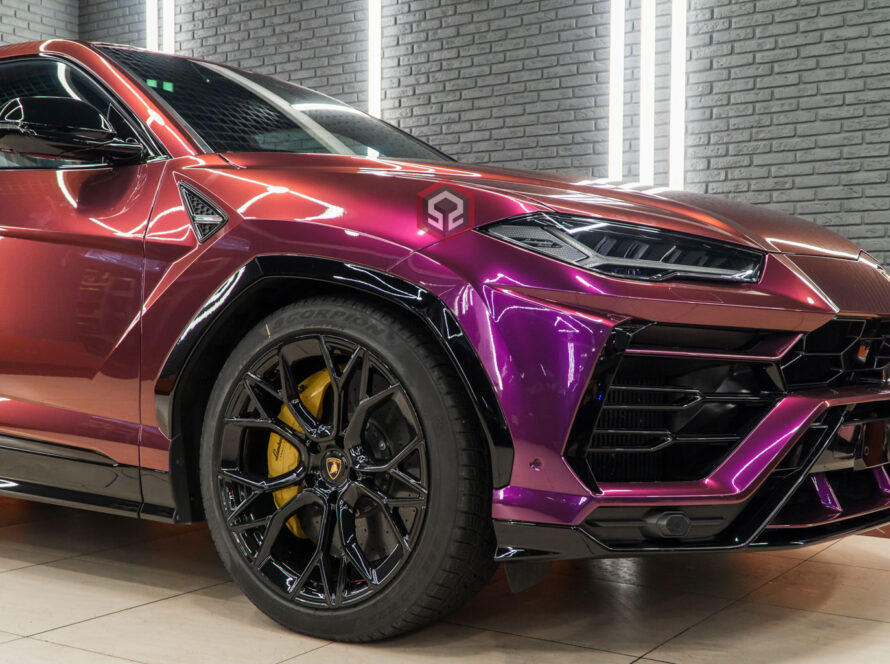
So you’re thinking about protecting your car’s paint. Good call. Whether it’s a daily driver or a weekend warrior, keeping that factory finish looking flawless is a top priority. You’ve probably heard about paint protection film, or PPF, as the ultimate solution. This guide breaks down everything you need to know about what makes a high quality ultrafit paint protection film (ppf) the best choice for your vehicle.
What is Ultrafit Paint Protection Film (PPF) Made Of?
The performance of any PPF starts with its core material. The vast majority of modern, high quality films are made from Thermoplastic Polyurethane (TPU). It’s a wonderfully resilient and flexible material, but not all TPU is created equal.
- Aliphatic TPU: This is the gold standard. Aliphatic TPU is naturally stable against ultraviolet light, which means it won’t yellow or degrade from sun exposure. It remains optically clear and flexible for years, which is why every premium ultrafit paint protection film (ppf) uses it.
- Aromatic TPU: An older and cheaper alternative, aromatic TPU has a major flaw, it yellows when exposed to UV rays. Any film that turns hazy or yellow within a year or two is likely made from this inferior material.
- PVC or Vinyl: Before TPU, some protective films were made from PVC. These are stiff, less conformable, and lack the self healing properties of modern PPF. They are known to crack and yellow much faster.
In short, the material truly defines the film’s quality. Choosing a premium aliphatic TPU film ensures you get the clarity, durability, and longevity you’re paying for.
The Nitty Gritty of Application
A film is only as good as its ability to stick to your car without causing problems down the line. This comes down to two key properties: adhesive tack and adhesion.
Adhesive tack is the initial stickiness of the film. Installers use a special slip solution (a mix of water and mild soap) to reduce this initial tack. This allows them to perfectly position the ultrafit paint protection film (ppf) on a panel before it grabs on. Want to see how that looks in practice? Watch our PPF installation videos.
Adhesion is the final bond strength after the film is applied and the moisture has cured. A quality PPF uses a pressure sensitive adhesive that forms a strong, durable bond but is also engineered to be removed cleanly years later. Cheaper films often use low grade adhesives that can either fail prematurely or leave behind a sticky, damaging residue upon removal.
How Thick is This Invisible Armor?
Film thickness, measured in mils (one thousandth of an inch), is a key factor in a PPF’s protective capability. Most premium automotive PPF is between 6 to 8 mils thick (about 0.15 to 0.2 mm). This might not sound like much, but this polyurethane layer is incredibly effective at absorbing the energy from impacts, preventing rock chips, gravel flicks, and road debris from damaging your paint. For comparison, a standard vinyl color wrap is usually only 3 to 4 mils thick. The added thickness of an ultrafit paint protection film (ppf) is what gives it superior defensive properties.
Getting that Painted On Look
The magic of a great PPF installation is making it look like there’s nothing there at all. This is achieved through two important film characteristics: drapeability and stretch.
Drapeability refers to how easily the film lays down and conforms to a vehicle’s curves. Stretch is its ability to be pulled around complex shapes like bumpers and mirrors without tearing. Modern TPU is an elastomer, which means it can stretch and then return to its original form, creating a taut, smooth finish. This flexibility allows skilled installers at a certified shop like OmegaGFX to wrap entire panels from a single piece of film, eliminating seams for a truly invisible look.
Crystal Clear Protection
When you invest in PPF, you want to protect your paint, not hide it. That’s why clarity is paramount.
High quality PPF is optically clear, meaning it won’t distort the color or finish of your paint. A common issue with lower grade films is a texture known as orange peel, which makes the surface look slightly wavy, like the skin of an orange. Premium films are manufactured to be as smooth as glass to avoid this effect.
Furthermore, a quality ultrafit paint protection film (ppf) made from aliphatic TPU will resist yellowing and hazing over time, keeping your car’s finish looking crisp and vibrant for years.
Style Meets Substance with Finishes and Colors
While the original “clear bra” was only available in a high gloss finish, today’s PPF offers aesthetic options too.
- Gloss Clear PPF: This is the most popular choice. It’s a transparent, high gloss film that enhances your car’s shine while being virtually invisible. It preserves the factory look perfectly.
- Matte or Satin PPF: This film can transform any glossy paint into a sleek, modern matte finish. It’s a fantastic way to get that stealthy aesthetic while still getting the top tier protection of an ultrafit paint protection film (ppf).
- Colored PPF: A newer innovation, colored PPF combines the thickness and durability of protection film with the styling of a vinyl wrap. You can change your car’s color to a glossy black, a vibrant blue, or even a metallic finish, all while the original paint stays perfectly preserved underneath.
The Self Cleaning Effect
Many premium PPF products feature a hydrophobic topcoat. The term “hydrophobic” literally means water fearing. This special layer has very low surface energy, causing water to bead up and roll right off the surface.
This has two main benefits. First, your car stays cleaner for longer, as mud and grime have a harder time sticking. Second, washing your car becomes much easier. However, this feature requires some care. The hydrophobic effect can diminish over time, and some manufacturers recommend a periodic rejuvenation treatment to maintain its performance.
How to Spot Fakes and Choose a Genuine Product
The PPF market has unfortunately been targeted by counterfeit products. A brand legitimacy check is crucial to ensure you get what you pay for. Here are some red flags:
- An Unbelievably Low Price: A high quality full car PPF installation costs thousands of dollars. A deal that seems too good to be true, like a full wrap for a few hundred dollars, is a major warning sign of a fake or low quality film.
- Poor Packaging: Genuine films come in professionally branded packaging. Counterfeits often have blurry logos, misspelled brand names, or generic packaging.
- No Warranty: Reputable brands stand behind their products. Fake films will not come with a valid manufacturer warranty.
The absolute best way to guarantee you’re getting a genuine product is to use a certified installer. As a Hexis Platinum Certified and 3M Preferred installer, OmegaGFX provides authentic, warrantied films for every job. For a quote on genuine ultrafit paint protection film (ppf), you can get in touch with our team.
Understanding the Price of Pristine Paint
A full vehicle PPF wrap is a significant investment, with prices often ranging from $1,500 to over $5,000. This cost covers both the advanced film material and the highly skilled labor required for a flawless installation.
But is it worth it? For many owners, the answer is a resounding yes. A quality film can last for a decade or more, protecting your paint from countless chips and scratches. A single deep scratch can cost hundreds to repair properly. By acting as a sacrificial layer, PPF can save you thousands in potential repair costs and helps maintain your vehicle’s resale value. For a personalized quote based on your vehicle and coverage needs, contact the experts at OmegaGFX.
What Does a PPF Warranty Actually Cover?
A strong warranty is a sign of a manufacturer’s confidence in their product. Most top tier PPF brands offer warranties ranging from 5 to 10 years. Some of the newest films even come with 12 year warranties.
This warranty typically covers defects in the film itself. This includes issues like:
- Yellowing or discoloration
- Cracking or blistering
- Peeling or delamination
It’s important to note that the warranty does not cover damage from accidents, abuse, or improper care. To ensure your warranty is valid, the film must be installed by an authorized professional. This is another reason why choosing a certified shop is so important.
Frequently Asked Questions
For most car enthusiasts and owners of new vehicles, yes. It preserves your car’s original paint, protects against costly chips and scratches, and can significantly boost its resale value, making it a sound long term investment.
A professionally installed, high quality PPF can last for 10 years or even longer with proper care. Most leading brands offer warranties for this period, guaranteeing performance against defects.
Absolutely. You can wash your car as you normally would. It is best to use a pH neutral soap and avoid high pressure washing too close to the film’s edges. The hydrophobic topcoat on many films actually makes washing easier.
PPF is a physical film that provides robust protection against rock chips, scratches, and impacts. A ceramic coating is a liquid polymer that creates a chemical bond with the paint, offering excellent gloss and protection from chemicals and UV rays, but it does not protect against physical impacts like rock chips. Many owners apply a ceramic coating on top of their PPF for the ultimate combination of protection.
Yes. One of the key benefits of a quality PPF is that it can be safely removed by a professional, revealing the perfectly preserved paint underneath. This is a huge advantage when it comes time to sell the vehicle.
📞 Call: +61 466 933 300
🌐 Visit: omegagfx.com